Catholic · Emmaus course
More Than the Wound: A Catholic Christian Approach to Treating Trauma
Trauma does real damage. It does not get the last word. In this one-hour lesson, Divine Mercy University faculty apply the Catholic Christian Meta-Model of the Person to trauma care — showing how to treat the wound without reducing the person to it.
NBCC CE · 1 clock hour · Counseling Theory and Practice

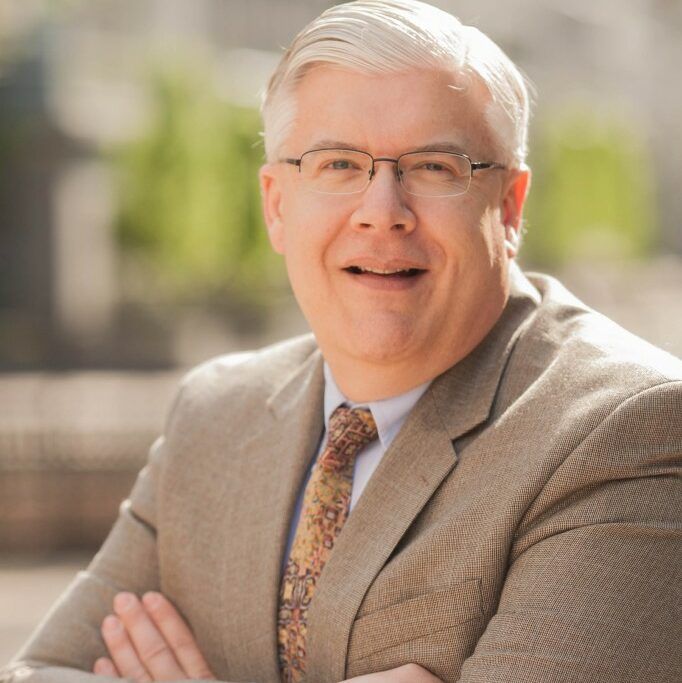
With Craig Steven Titus, S.T.D., Ph.D. and Harvey Payne, Psy.D.

- Length
- 1 hr
- Lessons
- 1
- Level
- Intermediate
- Version
- Catholic
- Price
- Free
About this course
Some clients walk in and say, "I have a problem." Survivors of trauma often say something else: "I am the problem." This lesson is about that difference — and what a clinician can do with it.
A beautiful glass vase slips and shatters. That image, from a Divine Mercy University faculty panel, holds two truths at once: the breaking is real, and the thing that broke is still a person of immeasurable worth. Most trauma training picks one of those truths. This course keeps both.
Over a focused hour, you will watch the panel discussion, then work through how the Catholic Christian Meta-Model of the Person reframes trauma care: why trauma touches the whole person rather than one isolated symptom, how moral injury marks the conscience differently than fear-based trauma, how a clinician's steady presence rebuilds the capacity for trust, and where realistic hope actually comes from. The lesson is grounded in published scholarship, including Craig Steven Titus's work on resilience and the virtue of fortitude and the current moral-injury research.
You will leave with a way to recognize the identity-level wound behind "I am the problem," and a framework for treating it that honors the whole person.
Earn 1.0 NBCC clock hour (Counseling Theory and Practice). Asynchronous, self-paced, with a short post-test and certificate of completion.
Who this course is for
Licensed and graduate-level counselors who integrate, or want to integrate, Catholic anthropology with clinical practice
The reason is the quiet professional ache the panel names directly: knowing how to reduce symptoms while still feeling unequipped to answer the client who says, "inside, my whole world is shattered, and I am the problem."
Also for Trauma-focused clinicians; Pastoral-care workers; Spiritual directors who accompany survivors.
From the course syllabus
Trauma does real damage, and it does not get the last word. This one-lesson course takes a Divine Mercy University faculty panel discussion and works out what the Catholic Christian Meta-Model of the Person means for the clinician who treats trauma. Using the image of a beautiful glass vase that shatters, the course holds two truths together: the breaking is real and has lasting effects, and the person who broke remains a person of immeasurable worth whose dignity runs deeper than the wound.
Participants watch the panel, then study how the Meta-Model reframes trauma care — why trauma reaches the whole person rather than one isolated symptom, how moral injury marks the conscience differently than fear-based trauma, how the clinician's steady presence rebuilds the capacity for trust, and where realistic hope comes from. The lesson is grounded in published scholarship, including the Meta-Model itself (Vitz, Nordling & Titus, 2020), Craig Steven Titus's Resilience and the Virtue of Fortitude, and the current moral-injury literature.
Curriculum
-
Module 1
More Than the Wound: A Catholic Christian Approach to Treating Trauma
- 1.Lesson: When the Vase Shatters: Trauma, Dignity, and the Whole Person
More courses

When God Feels Silent: Discerning Consolation in Prayer
Ever prayed and felt nothing? You aren't doing it wrong. In this Divine Mercy University course, discover how God speaks, why feelings aren't the goal, and how St. Teresa’s garden analogy shows if your prayer life is truly growing.
1 hr · 1 lesson · Intermediate
With Fr. John Bartunek, LC

You Shall Not Be Overcome: Spiritual Vanity, Sacred Darkness, and the Peace That Persists
Why does prayer go dry? Fr. Groeschel reveals the hidden danger in spiritual progress — and the ancient promise that will carry you through.
1 hr 25 min · 3 lessons · Intermediate
With Fr. Benedict Groeschel, C.F.R.

Failure Is Not an Option: Leadership, Decision-Making & Virtue Under Pressure
An asynchronous, six-lesson formation course that uses six scenes from the film Apollo 13 (1995) — set beside the real April 1970 mission — as a case study in how good decisions get made and good character is revealed when everything is on the line.
3 hrs · 8 lessons · Beginner