Catholic · Emmaus course
When Clients Can’t Forgive Themselves: Guilt, Mercy, and the Path to Self-Acceptance
A one-hour, NBCC-credited course on guilt, mercy, and the move from self-forgiveness to self-acceptance.
You can prove a client's guilt is out of proportion to what happened, and it changes nothing. This short course shows you why — and how to accompany people whose felt guilt has outrun their real responsibility. One video, one hour, 1.0 NBCC clock hour.
NBCC CE · 1 clock hour · Helping Relationships (HR)
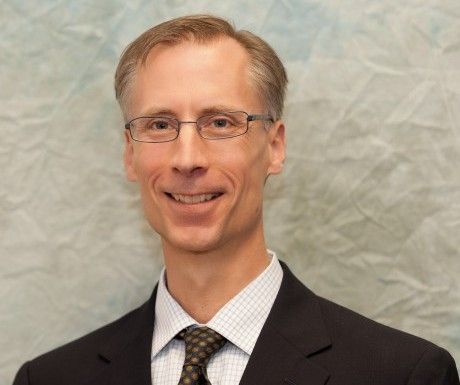
With Craig Steven Titus, S.T.D., Ph.D.

- Length
- 1 hr
- Lessons
- 1
- Level
- Intermediate
- Version
- Catholic
- Price
- Free
"I know God forgives me. I just can't forgive myself." Here's what to do when a client says that.
About this course
A one-hour, NBCC-credited course that hands counselors and pastoral workers a concrete skill — accompanying a client whose felt guilt has outrun their real responsibility — grounded in a Catholic-Christian vision of the whole person. Short enough to finish in a sitting, deep enough to change how you sit with someone the next day.
Who this course is for
Counselors and pastoral workers
They "hire" this course to solve a problem they meet in the room: the client who cannot let go of guilt, whom nothing they say seems to reach.
Also for Catholic and pastoral counselors (CPA, diocesan formation offices, DMU alumni).
From the course syllabus
Every helper meets the client eventually: the one who says, “I know God forgives me. I just can’t forgive myself.” You can prove their guilt is out of proportion to what actually happened, and it changes nothing. This short course shows you why, and what to do instead.
Built around a candid panel discussion among Catholic-Christian clinicians, the course works through a single wrenching case — a good doctor whose act of mercy ends in a child’s death — to teach a way of accompanying people whose felt guilt has outrun their real responsibility. You will learn to separate objective moral responsibility from subjective guilt, to weigh responsibility across intention, act, and circumstance, and to recognize the moment when offering perspective helps rather than wounds. Along the way the course reframes the goal itself: for many clients, the healing movement is not self-forgiveness but self-acceptance — naming what happened, making amends, receiving mercy, and letting a neurotic guilt finally rest.
Curriculum
-
Module 1
When Clients Can’t Forgive Themselves: Guilt, Mercy, and the Path to Self-Acceptance
- 1.From Self-Forgiveness to Self-Acceptance: Meeting the Client Who Can’t Let Go
More courses

When God Feels Silent: Discerning Consolation in Prayer
Ever prayed and felt nothing? You aren't doing it wrong. In this Divine Mercy University course, discover how God speaks, why feelings aren't the goal, and how St. Teresa’s garden analogy shows if your prayer life is truly growing.
1 hr · 1 lesson · Intermediate
With Fr. John Bartunek, LC

You Shall Not Be Overcome: Spiritual Vanity, Sacred Darkness, and the Peace That Persists
Why does prayer go dry? Fr. Groeschel reveals the hidden danger in spiritual progress — and the ancient promise that will carry you through.
1 hr 25 min · 3 lessons · Intermediate
With Fr. Benedict Groeschel, C.F.R.

Failure Is Not an Option: Leadership, Decision-Making & Virtue Under Pressure
An asynchronous, six-lesson formation course that uses six scenes from the film Apollo 13 (1995) — set beside the real April 1970 mission — as a case study in how good decisions get made and good character is revealed when everything is on the line.
3 hrs · 8 lessons · Beginner