Catholic · Emmaus course
When the Spiritual Looks Clinical: Assessing Extraordinary Religious Experience
A client tells you something outside them has taken hold. The language is religious, the fear is real, and it fits no category you were trained to name. In this course a working exorcist shows how he answers that moment, and it starts the way any careful evaluation should: sit down, listen, and rule out mental illness before considering anything else. You will learn to reason from base rates, to honor a client’s spiritual worldview while running a rigorous differential, and to recognize the point where consulting clergy or referring is the competent move.
NBCC CE · 1 clock hour · Assessment in Counseling
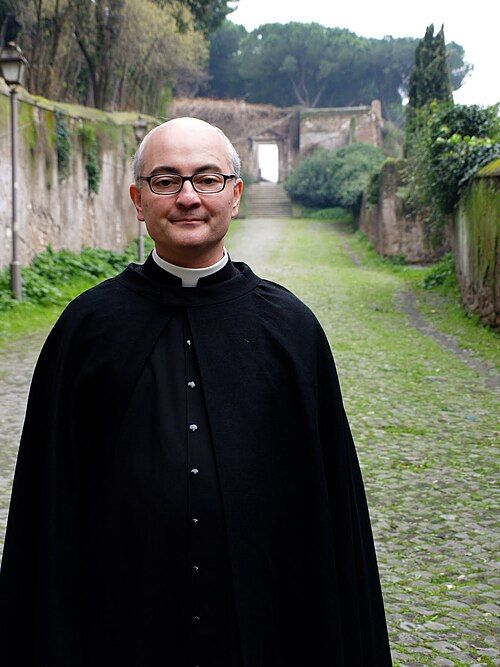
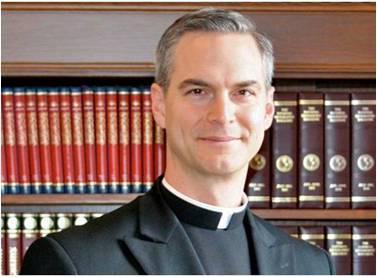
With Fr. Jose Antonio Fortea and Fr. John Bartunek, LC

- Length
- 1 hr
- Lessons
- 1
- Level
- Intermediate
- Version
- Catholic
- Price
- Free
feel competent and calm the next time a client brings me something I can’t immediately categorize.
About this course
A client sits down and tells you that something outside them has taken hold. The language is religious, the fear is real, and the presentation does not fit neatly into any category you were trained to name. What do you do first?
In this course, a working exorcist walks through how he answers that question, and the answer is not what most people expect. Fr. José Antonio Fortea begins almost every evaluation the way any careful clinician would: he sits with the person, listens for a full hour, and forms a judgment about their mental health before he considers anything else. By his own account, most of the people who reach him are carrying psychological or psychiatric suffering, not possession. Only after the ordinary explanations have been weighed does he turn to the phenomenology of rare cases, and finally to prayer as a way of testing his impression.
For counselors and pastoral workers, the lecture is a compact case study in disciplined differential assessment. You will learn how to take a religiously framed presentation seriously without abandoning sound clinical judgment, how base-rate reasoning keeps the dramatic explanation in its place, and how to recognize the point at which the right move is to consult, collaborate, or refer. The enrichment readings translate the method into the language of contemporary assessment, drawing on Divine Mercy University’s faculty scholarship and the Catholic Christian Meta-Model of the Person, and root it in the older tradition of the discernment of spirits.
Who this course is for
Counselors (clinicians seeking CE)
For the counselor who will one day meet a client convinced something spiritual has taken hold, this course teaches how to assess that presentation with rigor and respect, from someone who does it for a living.
Common questions
- Is this legitimate for CE?
- Lead with the credential and the content area up front: 1.0 NBCC clock hour, Assessment in Counseling, with graduate-level faculty framing. Credibility answers the objection before it forms.
- Is this going to be sensational or fringe?
- The honest positioning is the antidote. Emphasize restraint, base-rate reasoning, and scope of practice. The course itself argues against sensationalism, so the copy can too.
- Why would I ever need this?
- Use the quiet, real worry: most clinicians will eventually meet a religiously framed presentation and would rather not improvise. One clock hour buys a calmer, more competent response.
Curriculum
-
Module 1
When the Spiritual Looks Clinical: Assessing Extraordinary Religious Experience
- 1.Lesson: Diagnosing Demonic Possession: Differential Assessment at the Boundary of Psychiatry and the Spiritual
More courses

When God Feels Silent: Discerning Consolation in Prayer
Ever prayed and felt nothing? You aren't doing it wrong. In this Divine Mercy University course, discover how God speaks, why feelings aren't the goal, and how St. Teresa’s garden analogy shows if your prayer life is truly growing.
1 hr · 1 lesson · Intermediate
With Fr. John Bartunek, LC

You Shall Not Be Overcome: Spiritual Vanity, Sacred Darkness, and the Peace That Persists
Why does prayer go dry? Fr. Groeschel reveals the hidden danger in spiritual progress — and the ancient promise that will carry you through.
1 hr 25 min · 3 lessons · Intermediate
With Fr. Benedict Groeschel, C.F.R.

Failure Is Not an Option: Leadership, Decision-Making & Virtue Under Pressure
An asynchronous, six-lesson formation course that uses six scenes from the film Apollo 13 (1995) — set beside the real April 1970 mission — as a case study in how good decisions get made and good character is revealed when everything is on the line.
3 hrs · 8 lessons · Beginner